
Tension Is the Point
On warm, cool, and the rooms that hold you

There is a particular feeling in a room that is working. Something beyond comfort, beyond beauty. Closer to aliveness. You sense it before you understand it.
Most of the time, that feeling comes from tension.
Sameness in a room has its own appeal. Warm next to warm. Cool next to cool. It feels settled, cohesive, easy to live with. But rooms that only settle rarely stay with you. They don’t pull you back in.
Every material and colour carries a temperature. Warm materials like walnut, linen, terracotta, and aged brass carry weight and history. They feel like they have been somewhere. Cool materials like aluminum, marble, slate, and deep blue carry precision and stillness. They feel considered and calm. A room built entirely from one temperature, however beautiful the individual pieces, tends to feel incomplete in a way that is hard to name until you notice it. Something is missing. The room has no conversation happening inside it.
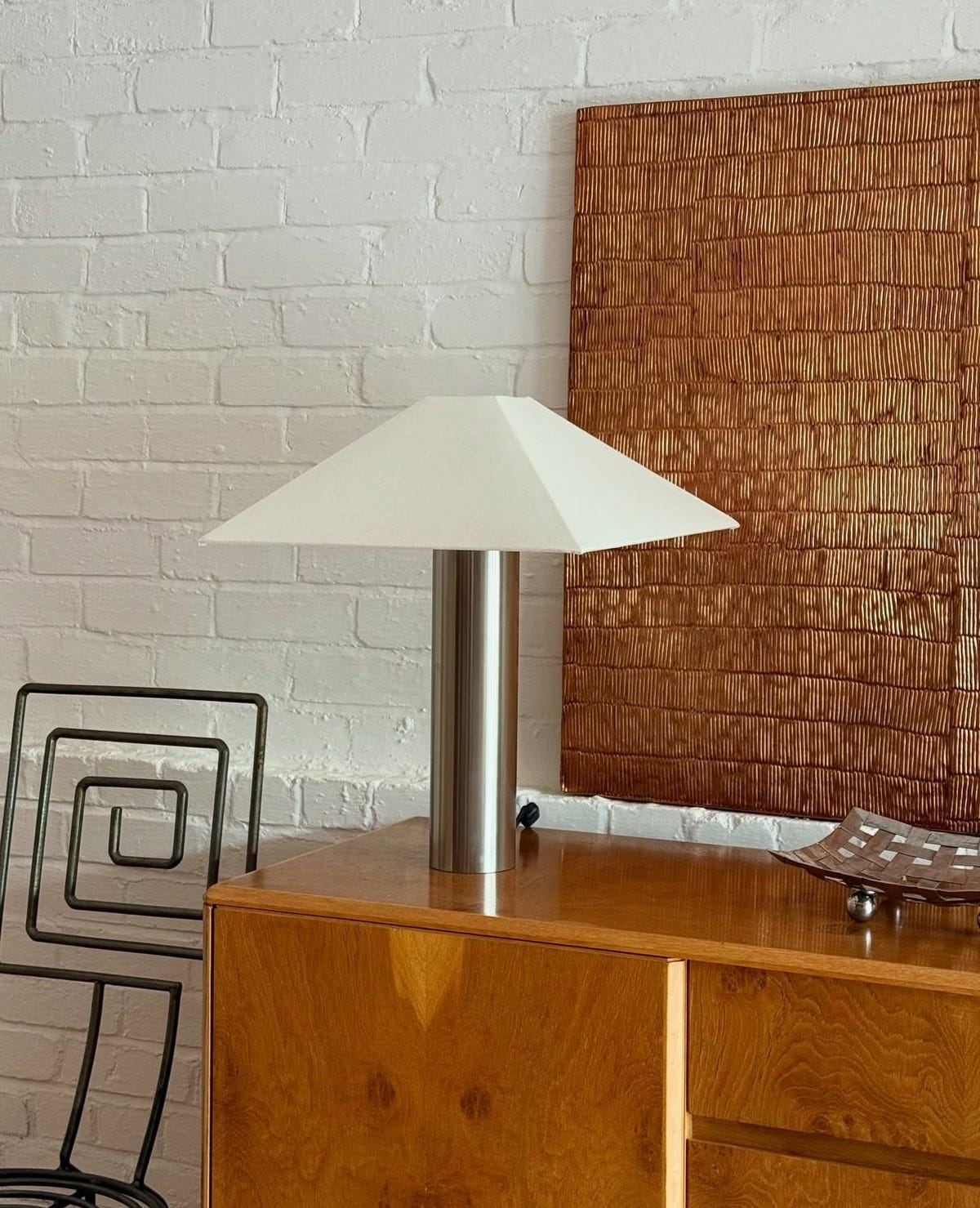
An aluminum lamp atop a walnut cabinet is that conversation. The walnut becomes more grounded because the aluminum holds back from matching it. The aluminum becomes warmer because the walnut won’t let it feel cold. Neither works quite as well alone as they do together.
The same is true in colour. Terracotta beside deep blue. The terracotta, earthy, sun-warmed, full of weight, reads richer beside the cool stillness of a deep blue. The blue reads more considered beside the warmth of the terracotta. Each makes the other more itself. They clarify each other in a way that a room built entirely in warm ochres or entirely in cool blues, never could.
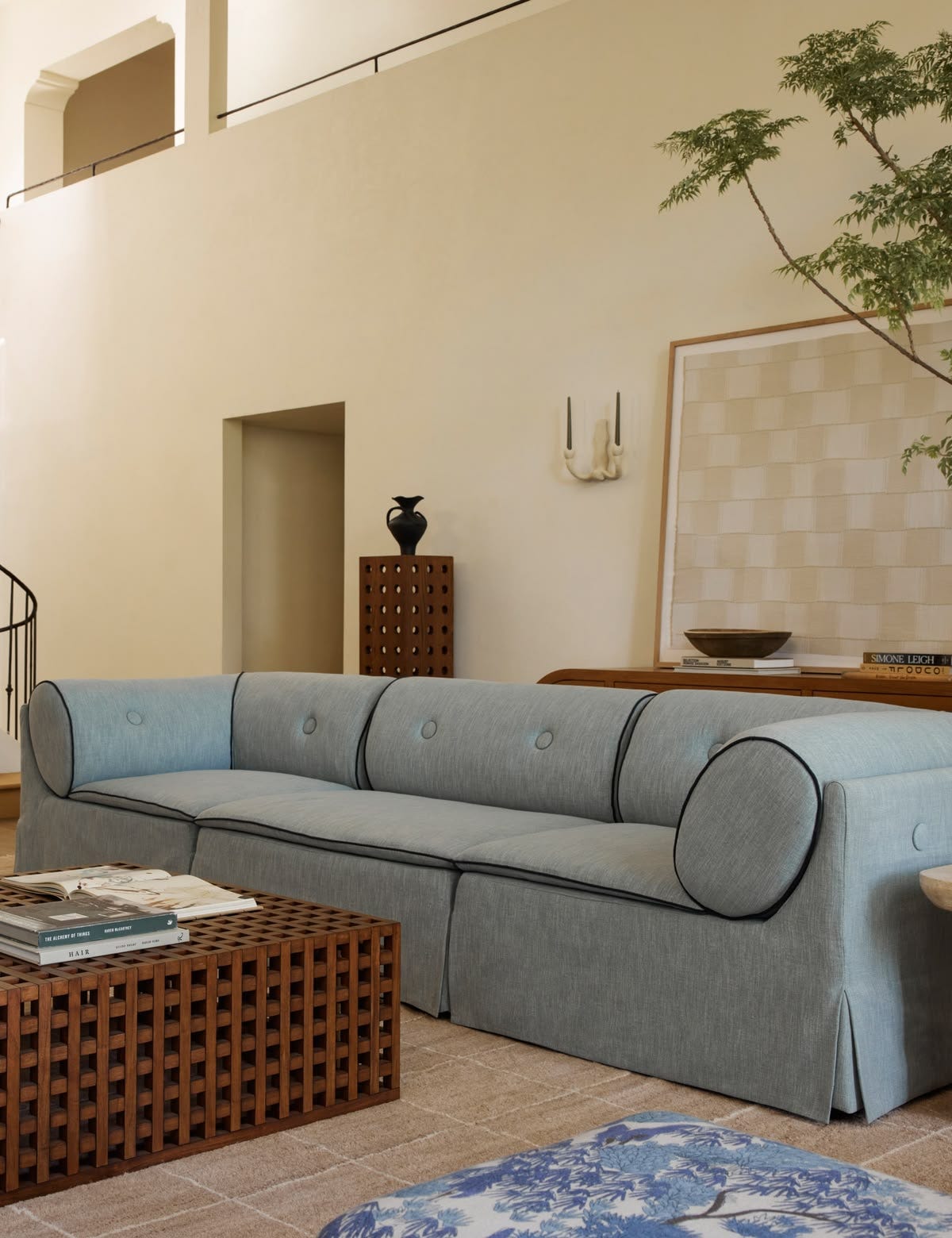
That’s not balance in the traditional sense. It’s something more alive than balance. It’s the feeling of two things that understand each other precisely because they’re different.
Most people instinctively want to soften these moments, to find a neutral bridge, a middle ground that lets everything coexist quietly. And there’s nothing wrong with that impulse. But something is often lost in the softening. The room stops having a point of view. The choices start to feel like they’re apologizing for themselves.
What creates a room that holds you is calibration. Not contrast for its own sake but a considered conversation between warm and cool, grounded and light, weighted and still. How much tension serves the space. Where it lives in the room. When to introduce it and when to let things settle around it.
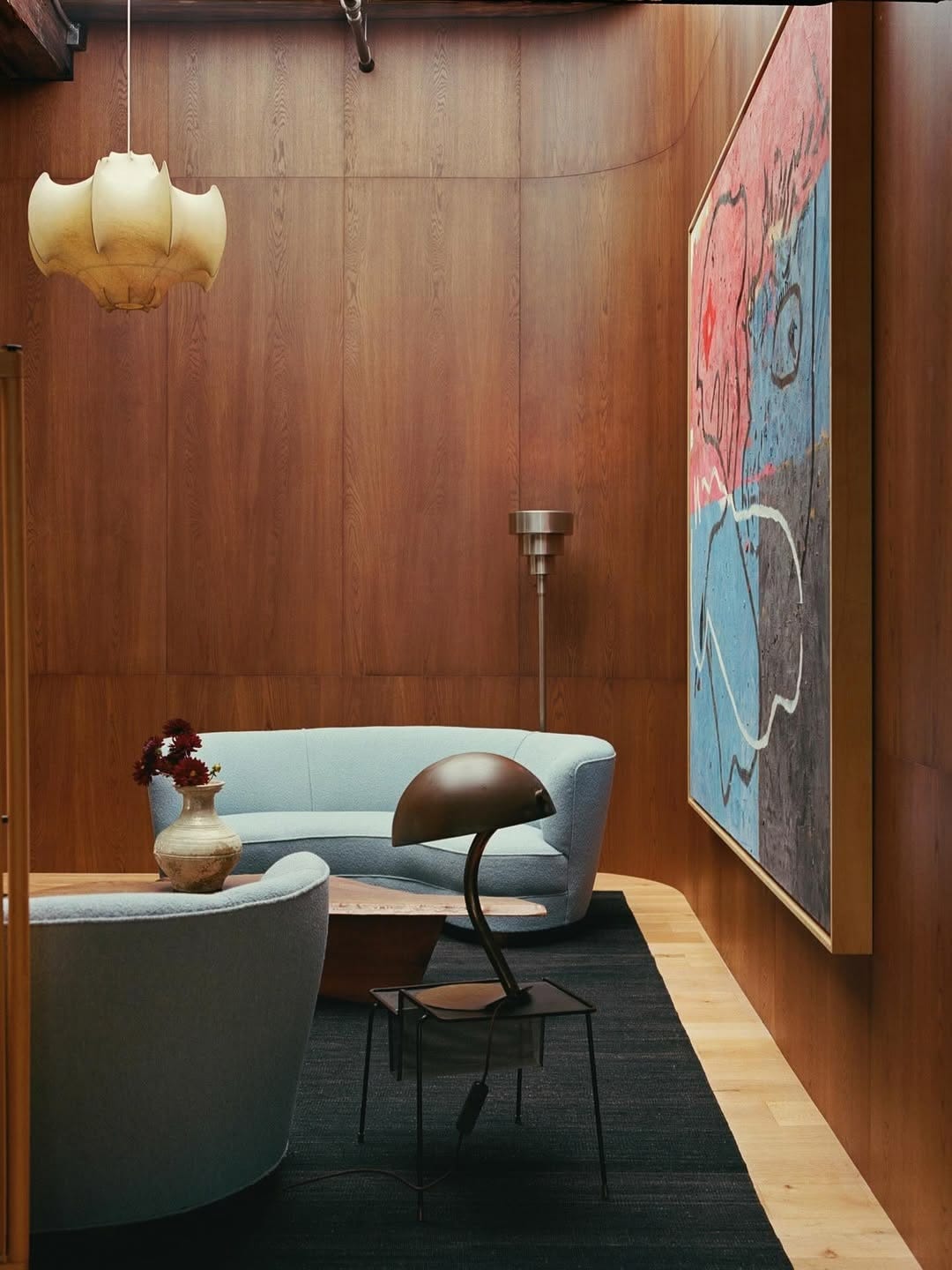
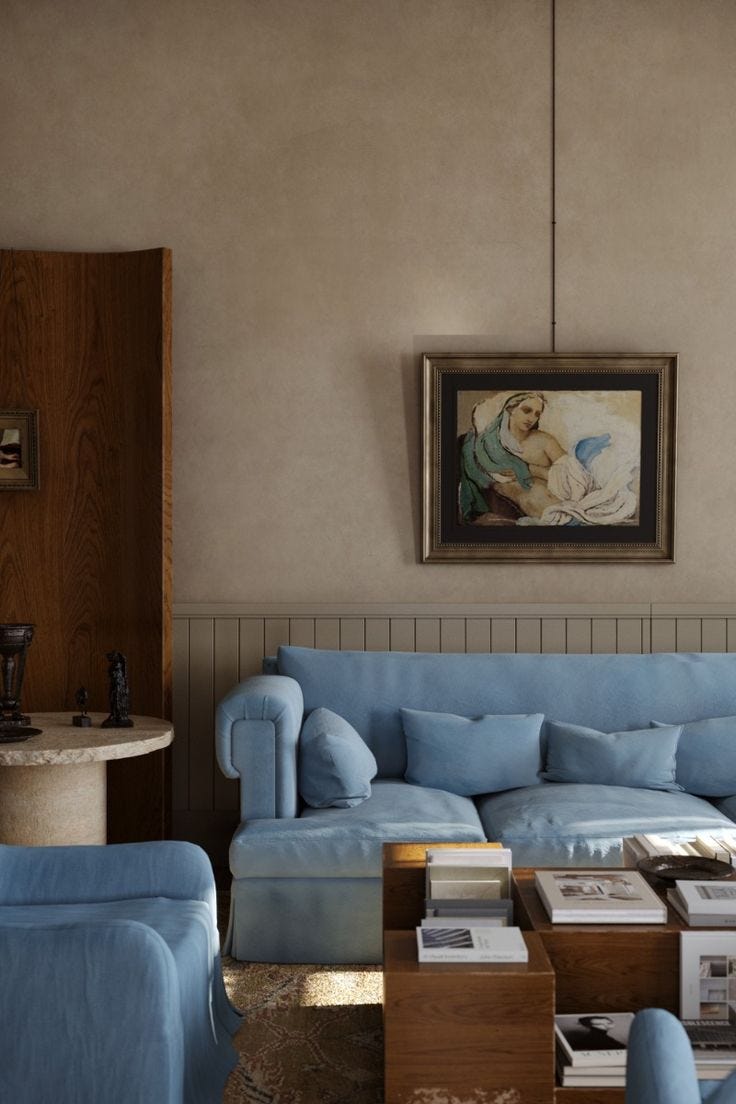
Everyone has walked into a room and felt immediately at ease without knowing why. That ease almost never comes from everything matching. It comes from everything being in the right relationship to everything else. Tension, handled with intention, is what creates that feeling.
A room that asks nothing of you is comfortable to be in. A room with the right kind of tension is one you understand a little differently every time you walk into it.
Designer unknown, Photographer unknown
Designer Sarah Sherman Samuel, Photographer unknown
Photographer Clément Pascal, courtesy of Somerset House
Stylist Colin King, Photographer Billal Taright